Are Flushable Wipes Really Safe for Your Drain and Plumbing?
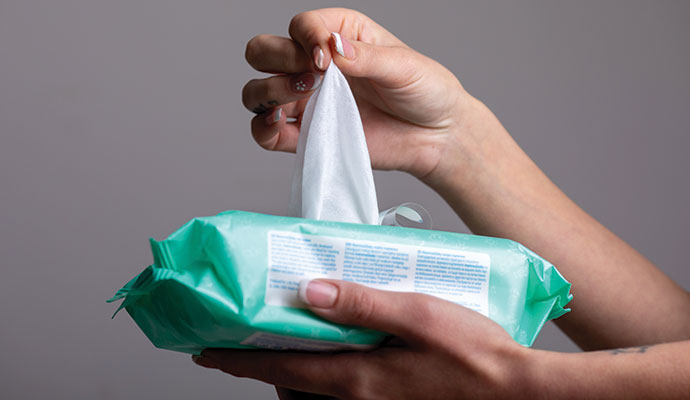
Flushable wipes are pre-moistened disposable towelettes sold as a convenient and hygienic alternative to toilet paper. Many use them for personal care, baby cleaning or quick a bathroom refresh. Labels often suggests they are safe to flush, making them seem simple to use and discard. Still, questions have grown about their impact on plumbing systems and sewer lines. Before relying on wipes daily, a better understanding what they are made of and how they behave after flushing.
405-251-7273
Materials and Fiber Composition Used in Flushable Wipes
Flushable wipes are made of non-woven fabrics rather than the thin paper of toilet tissue. That combination makes the wipe sturdy and comfortable, but it also affects how quickly it breaks down after flushing. Manufacturers blend natural and synthetic fibers to create a strong, flexible sheet that stays intact during use. Most wipes contain:
- Wood pulp fibers: These come from trees and help give the wipe softness and some level of breakdown in water.
- Synthetic fibers: Materials such as polyester or polypropylene add strength and durability.
- Binding agents: Special bonding processes hold the fibers together so the wipe does not fall apart too quickly.
- Moisturizing solution: Water, cleansing agents and mild preservatives keep the wipe damp and ready to use.

Are Flushable Wipes Truly Safe to Flush? Here Are Some Key Facts
Many brands label their products as flushable, but real-world performance can vary. While some wipes are designed to break apart over time, they often do not dissolve as quickly as standard toilet paper. This delay can create issues in household plumbing and public sewer systems. Because of these risks, many plumbers recommend disposing of wipes in the trash instead of flushing them. Important points to consider:
- Slow breakdown rate: Wipes stay intact longer than toilet paper, which increases the risk of clogs.
- Pipe blockages: Wipes can catch on rough pipe surfaces or tree roots in older sewer lines.
- Sewer system strain: Large amounts of wipes contribute to blockages in municipal systems.
- Septic tank concerns: In septic systems, wipes may settle and build up instead of fully decomposing.
Flushable Wipes Differ from Toilet Paper
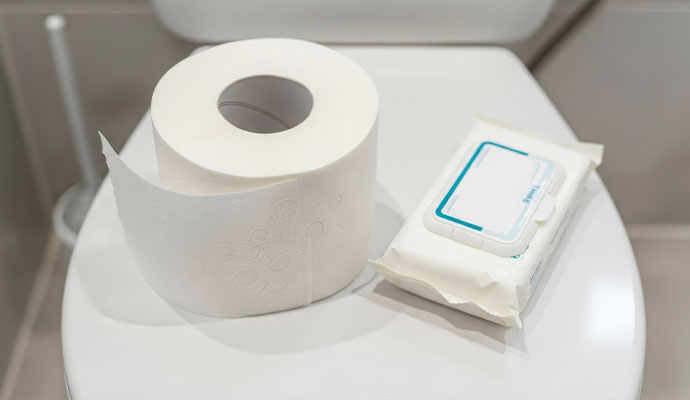
At first glance, flushable wipes and toilet paper may seem similar. Both are used for personal hygiene and are often kept in the same space. However, the wipes design, strength and behavior in water are quite different. Understanding these differences can lead to informed choices about daily hygiene products and plumbing safety. These differences play a major role in how each product affects plumbing systems. Key differences include:
- Thicker and more durable.
- Remains intact for much longer.
- Pre-moistened with cleansing solutions, while toilet paper is dry.
- More likely to create buildup in pipes and sewer lines.
How Flushable Wipes Contribute to Drain Clogs and Sewer Problems
Flushable wipes are often linked to drain cleaning issues in homes and commercial buildings. While they may pass through the toilet at first, the real trouble begins inside the pipes. Unlike toilet paper, wipes do not dissolve quickly. They can stay intact as they travel through plumbing lines, increasing the chance of buildup and blockage. Over time, even a few flushed wipes can create serious drainage problems. How they affect drains:
Wipes can snag on small cracks, rough joints or pipe bends. Then other debris can be trapped, creating larger clogs.
Wipes easily combine with grease, hair and soap residue. This mixture forms thick blockages that restrict water flow.
As buildup increases, sinks, tubs and toilets may drain slowly or completely back up, which will block the water flow.
In severe cases, wipes can block the main sewer line, leading to wastewater returning into the property.
Properties that regularly flush wipes can lead to more frequent need for professional drain cleaning.
Call Us to Get Expert Drain Cleaning to Protect Your Pipes
Professionals who offer drain cleaning, commonly report Drain that wipes are one of the leading causes of stubborn clogs. Removing them often requires specialized tools such as drain snakes, hydro jetting equipment or even pipe repair in extreme cases. Understanding this connection helps property owners see that what seems like a small habit can lead to costly plumbing repairs. Disposing of wipes in the trash instead of flushing them can significantly reduce the need for emergency drain cleaning services. Taking these steps keeps your home or business running smoothly and prevent major drain disasters.
405-251-7273