Why Has My Plumbing Backed Up?
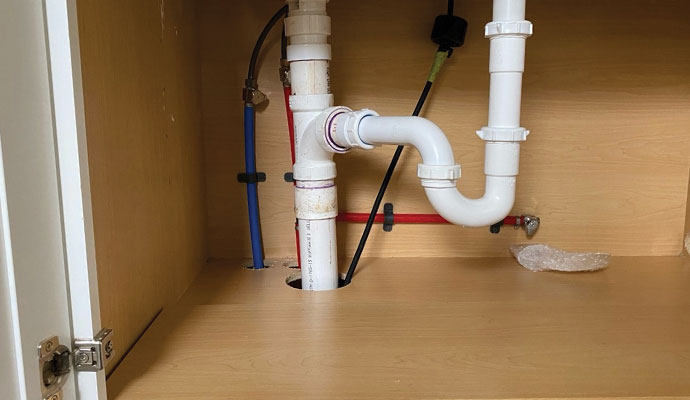
Plumbing backups can become much more than inconvenience. They can turn into a homeowner’s nightmare. From slow-draining sinks to overflowing toilets, these problems can lead to water damage, mold growth, unpleasant odors and costly repairs.
Many homeowners don’t realize that backups often start with small, preventable issues, like a stubborn drain clog or grease buildup in pipes. In this guide, find out what triggers these backups, how to spot early warning signs, and the practical steps to take to protect your home’s plumbing before a minor issue becomes a major disaster.
405-251-7273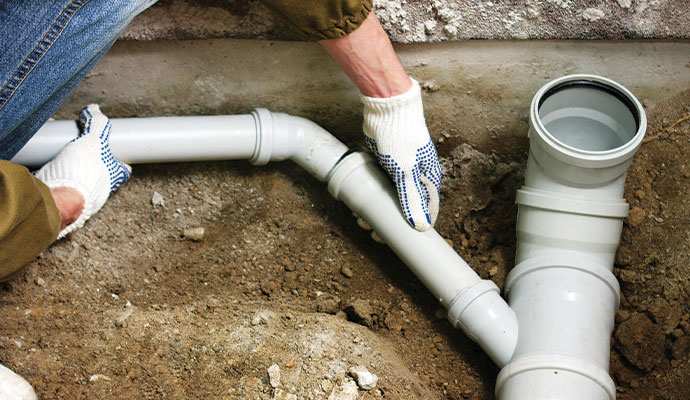
Common Causes of Plumbing Backups and How to Prevent Them
Plumbing backups can quickly turn into costly disasters. Nearly one in five homes faces a major backup each year, often costing thousands in repairs. Slow drains, overflowing toilets and foul odors are early signs. Many problems start small, like grease in kitchen pipes or hair in shower drains. Tree roots, old pipes, and improper flushing can also block flow. Learning the main causes and spotting warning signs early helps protect your home, save money and avoid emergency repairs.
Resolve Plumbing Backups Quickly and Effectively
Plumbing backups can be stressful, but acting fast can prevent major damage and expensive repairs. Some issues can be fixed at home, while others require professional attention. Here are practical steps to resolve backups and protect your plumbing:
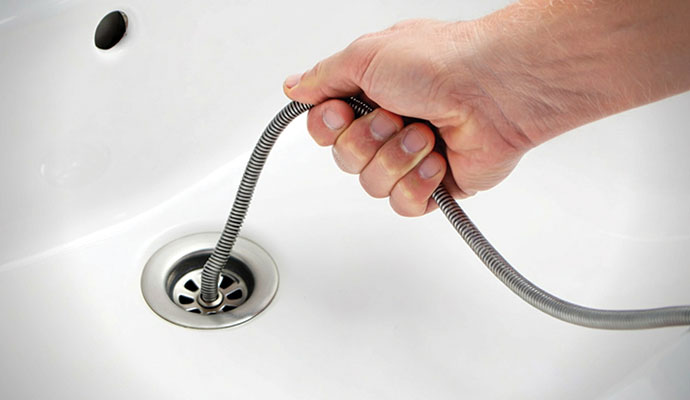 Clear Minor Clogs
A plunger or manual drain snake can remove hair, grease or small debris blocking sinks, tubs and toilets.
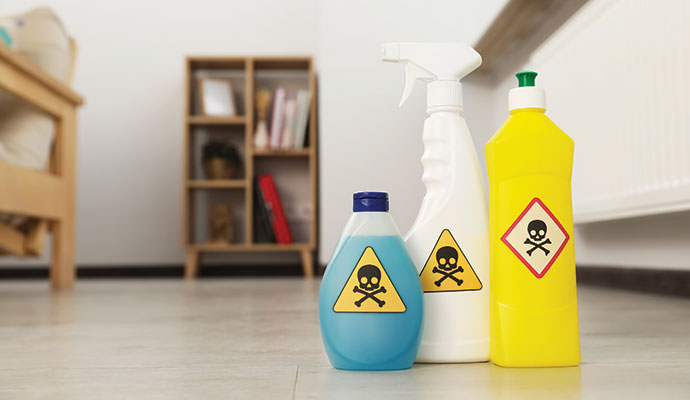 Avoid Harsh Chemicals
Chemical drain cleaners might be quick, but they can corrode pipes and worsen the problem over time.
 Call Our Licensed Plumber
Our expert plumbers can remove stubborn clogs, repair damaged pipes and inspect sewer lines.
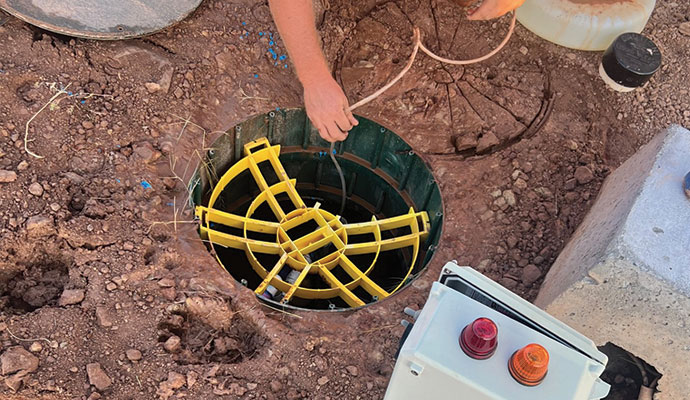 Regular Maintenance
Schedule drain cleaning and sewer inspections. It can prevent backups before they start.
 Proper Disposal Habits
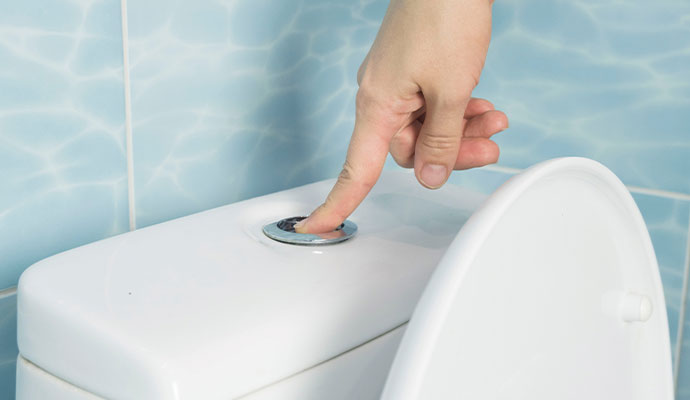
Only flush toilet paper and human waste, not flushable wipes. Never pour grease or food scraps down drains.
Plumbing Backup Prevention is Key
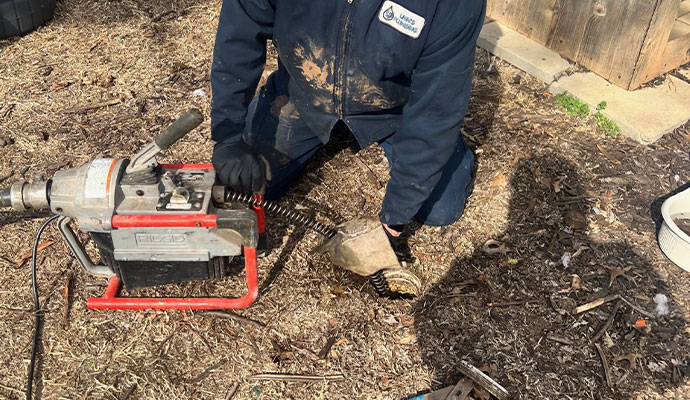
Stopping plumbing backups before they start can save time, money and stress. Small steps and regular maintenance go a long way in protecting your home’s plumbing. Follow these tips to reduce the risk of clogs and costly repairs. Preventive steps can keep water flowing freely, protect your home from damage and reduce the need for emergency service.
- Perform seasonal checks
- Maintain drains regularly
- Watch what goes down the drain
- Monitor sewer lines
- Schedule professional inspections
Signs Your Plumbing Needs Expert Attention
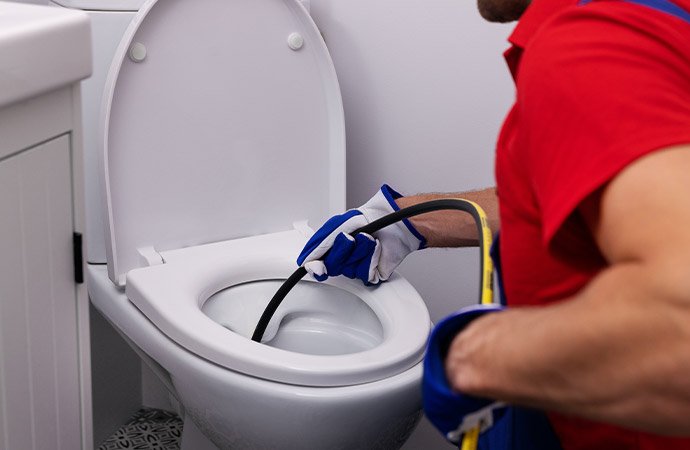
Knowing when to call a plumber can prevent minor issues from turning into major damage. Spotting these early can save thousands in repairs and prevent water damage in your home. Watch for these warning signs:
- Slow drains or frequent clogs: Water that drains slowly in sinks, tubs or showers could mean a deeper blockage.
- Gurgling sounds: Strange noises from toilets or drains can signal air trapped in pipes or sewer line issues.
- Foul odors: Persistent bad smells from drains often point to sewage backups or stagnant water in pipes.
- Water backups: Toilets or drains overflowing repeatedly mean a professional inspection is needed.
- Unexplained wet spots: Could indicate leaking or broken underground sewer lines.
Cost of Plumbing Backups and Repairs
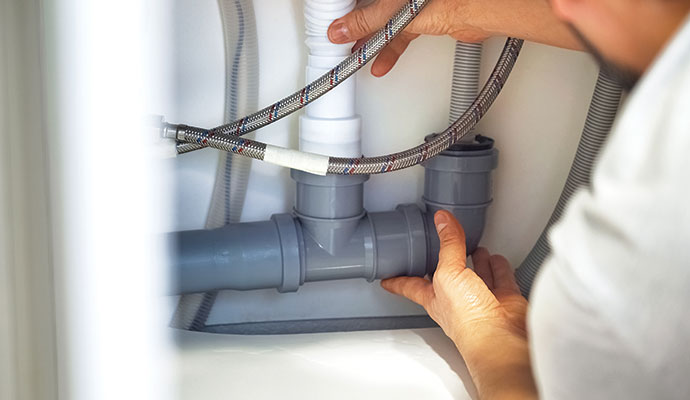
Plumbing backups can become expensive if not addressed promptly. Awareness of potential costs emphasizes the need for quick action and routine care to avoid expensive surprises. Understanding the possible expense helps homeowners plan and act fast:
- Clearing a simple drain or sink blockage usually costs between $100 and $250.
- Major backups, pipe repairs or sewer line replacement can range from $1,000 to $5,000 or more, depending on the problem and location.
- Calling a plumber after hours or during a flood can significantly increase costs.
- Investing in regular inspections and drain cleaning is far cheaper than emergency repairs.
Long-Term Solutions for a Proper Plumbing System
Maintaining a plumbing system for the long term protects your home and prevents recurring backups. Investing in the long-term keeps your plumbing reliable, reduces emergencies and protects the home’s value. Key solutions include:
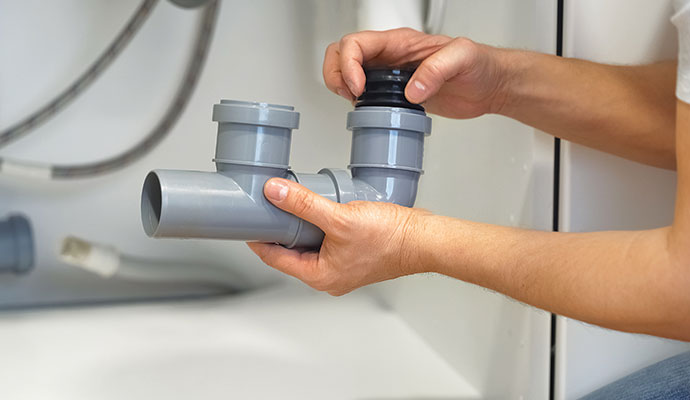 Pipe replacement
Upgrading old or corroded pipes with durable materials like PVC or PEX prevents leaks and blockages.
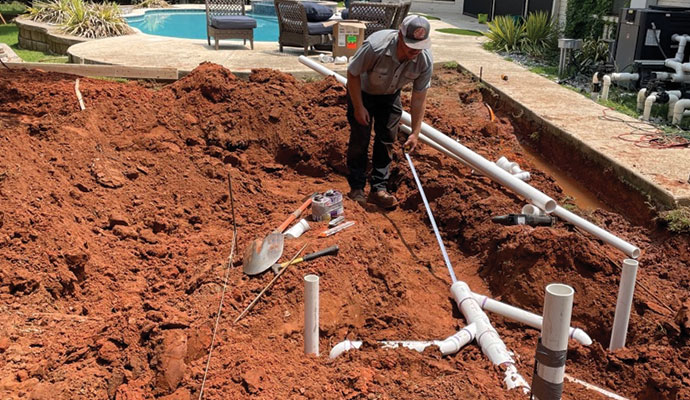 Trenchless sewer repair
A minimally invasive solution to fix damaged underground pipes without doing any major excavation.
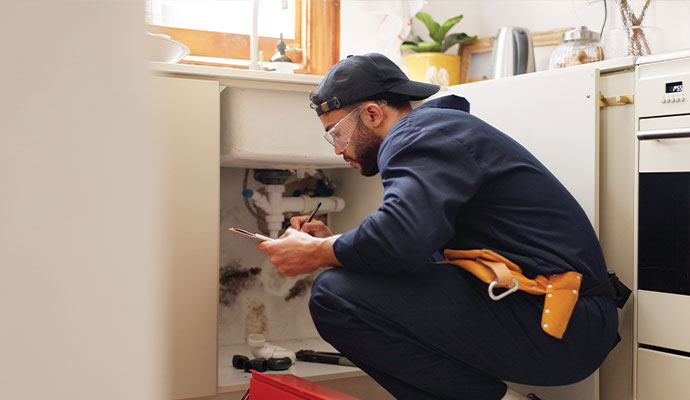 Routine inspections
Regular plumbing checkups detect small issues before they escalate, saving time and money.
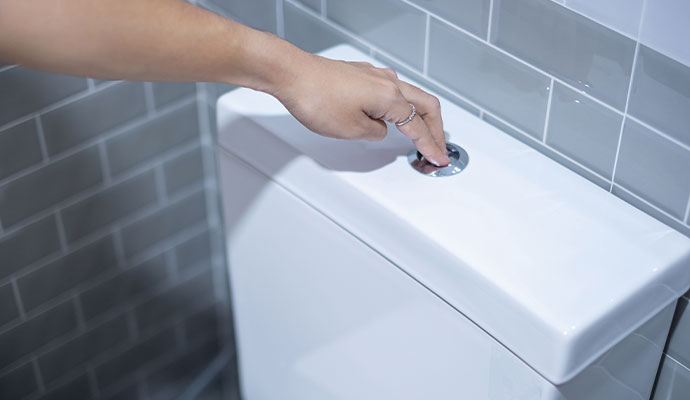 Proper drainage habits
Avoid flushing non-degradable items and prevent grease buildup to maintain smooth water flow.
 Professional maintenance plans
Many plumbers can offer service plans for preventative care and early problem detection.
Call Us For Expert Plumbing Service
Don’t wait for a minor clog to turn into a major disaster. Acting early can save time, money and stress. Whether it’s a slow drain, a gurgling toilet or an old sewer line, professional help can restore your plumbing and prevent future problems. Call our licensed plumbers now to inspect your pipes, clear blockages and set up a maintenance plan. Keep your home safe, water flowing freely and avoid costly repairs before they start.
405-251-7273